
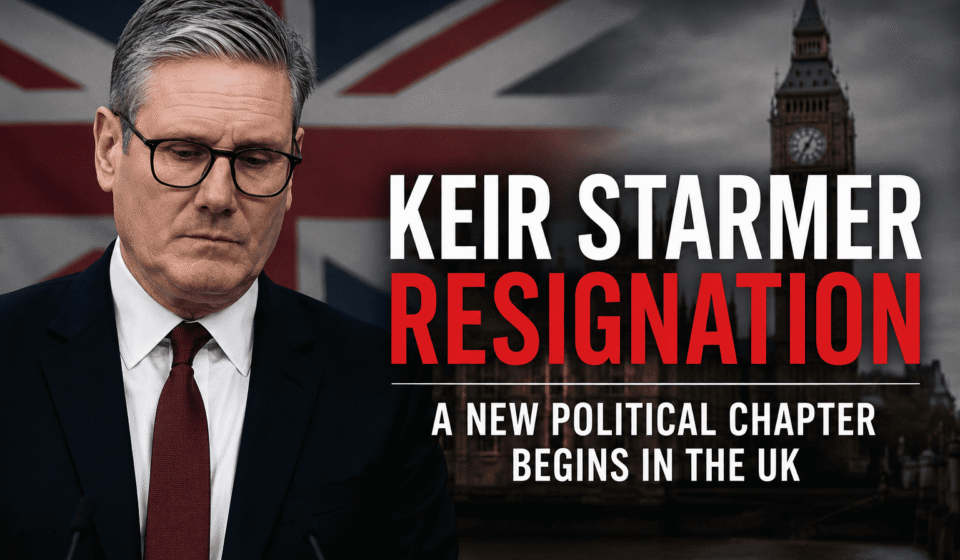
Keir Starmer Resignation Shakes UK Politics as Labour Begins Leadership Transition

The Keir Starmer resignation has triggered a significant political transition in the United Kingdom, marking a dramatic moment for the Labour government and raising questions about the country’s future leadership.
Starmer announced his decision to step down following growing pressure from Labour lawmakers and senior party figures. The move comes amid declining public support, disappointing election results, and increasing concerns within the governing party about its direction ahead of future national elections.
His departure ends a turbulent period in British politics and opens the door to a leadership contest that could reshape Labour’s agenda and the government’s priorities in the months ahead.
Keir Starmer Resignation Follows Mounting Internal Pressure
The Keir Starmer resignation follows weeks of speculation regarding his political future. Labour MPs and party officials had increasingly called for a leadership change after a series of setbacks that weakened confidence in the government.
Political analysts point to several factors that contributed to Starmer’s decision. Labour’s poor performance in local elections earlier this year raised concerns about the party’s ability to maintain voter support. At the same time, criticism over economic policy, public services, and immigration added to the pressure facing the prime minister.
In his resignation statement, Starmer acknowledged the challenges confronting the government and emphasized the importance of ensuring a stable transition of power. He stated that Labour’s long-term success should take precedence over individual leadership ambitions.
The announcement was met with a mixture of surprise and anticipation across Westminster, where attention quickly shifted toward identifying potential successors.
Key Details and Reactions to the Keir Starmer Resignation
Senior Labour figures have begun discussing the process for selecting a new leader. Several prominent names are expected to emerge as potential candidates, with political observers closely watching developments within the party.
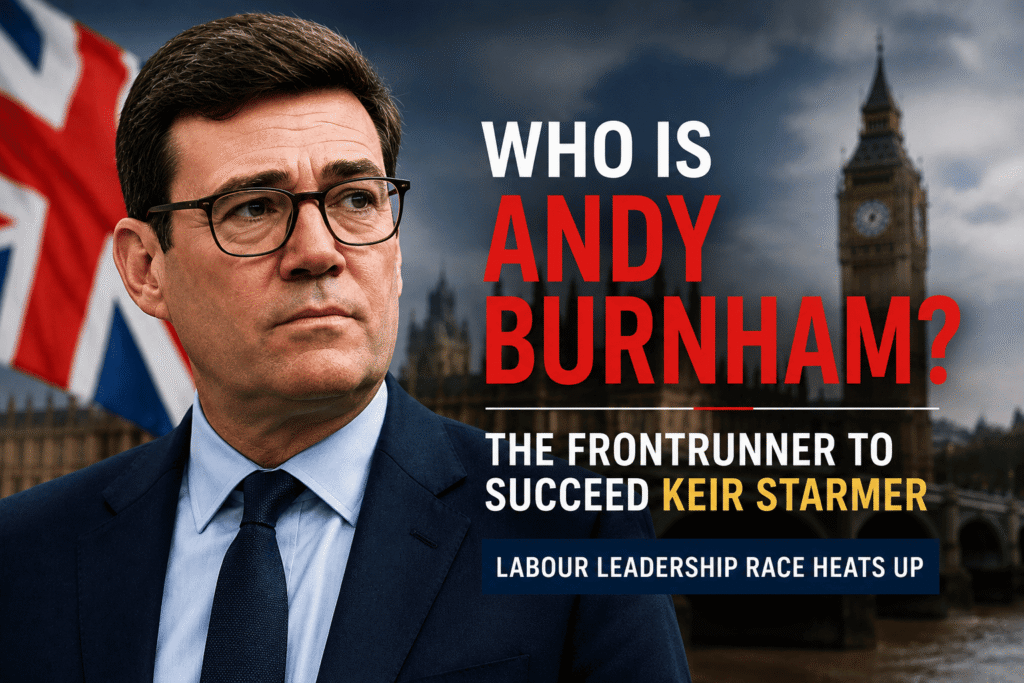
One of the most frequently mentioned figures is Andy Burnham, whose popularity within parts of the Labour movement has fueled speculation about a possible leadership bid.
Government ministers called for unity following the announcement, emphasizing the need for stability during the transition period. Opposition parties, meanwhile, argued that the resignation reflects deeper issues within the Labour government and highlighted ongoing concerns regarding economic management and public confidence.
Financial markets reacted cautiously, while political analysts noted that leadership transitions often create uncertainty until a clear successor emerges.
International leaders are also expected to monitor developments closely, given the UK’s role in European and global affairs.
Background and Context Behind the Keir Starmer Resignation
The Keir Starmer resignation comes less than two years after Labour secured a decisive general election victory that ended more than a decade of Conservative rule.
When Starmer entered office, he promised to restore stability, strengthen public services, and improve economic conditions. His government focused on healthcare reform, economic recovery initiatives, and rebuilding relationships with international partners.
However, governing challenges soon emerged. Economic pressures, public spending debates, and concerns about living costs became central issues in British politics. While Labour achieved some policy successes, critics argued that the government struggled to establish a clear and compelling narrative capable of maintaining broad public support.
Over time, internal disagreements within Labour became increasingly visible. Different factions within the party advocated competing approaches to economic policy, taxation, and public sector reform. These tensions intensified following disappointing electoral performances, leading to renewed calls for leadership change.
The resignation therefore represents not only a change in leadership but also a broader debate about Labour’s future direction.
What Happens Next After the Keir Starmer Resignation?
Following the Keir Starmer resignation, Labour is expected to begin a formal leadership selection process. Party rules will determine the timetable for nominations, campaigning, and voting among eligible members and affiliated groups.
Until a new leader is chosen, Starmer is expected to remain in office in a caretaker capacity to ensure continuity in government operations.
Several key questions now dominate political discussion:
- Who will emerge as Labour’s next leader?
- Will the new leadership pursue significant policy changes?
- How will voters respond to the transition?
- Can Labour rebuild public confidence before the next general election?
The outcome of the leadership contest could influence government priorities on taxation, healthcare, housing, public spending, and foreign policy.
Political strategists also note that a successful leadership transition could provide Labour with an opportunity to reset its political message and address concerns raised by voters in recent elections.
Conclusion
The resignation of Keir Starmer marks a pivotal moment in modern British politics. After facing mounting pressure from within his own party, the prime minister has chosen to step aside and allow Labour to begin a new chapter.
As the leadership race unfolds, attention will focus on who can unite the party, restore voter confidence, and guide the government through a challenging political environment. The coming weeks are likely to shape not only Labour’s future but also the direction of the United Kingdom’s government in the years ahead. Read more….
- Joe Biden’s Cancer Has Spread Further, Hunter Biden Says
- Daylight Saving Time Explained: Why Clocks Change Every Year
- Trump Pushes for Daylight Saving Time as Clock Change Nears
- Spanish Enclave Ceuta Sees 60,000 Migrant Arrivals Within a Day
- FIFA Speeds Up 64-Team World Cup Plans Amid Gianni Infantino Sell-Off Proposal