
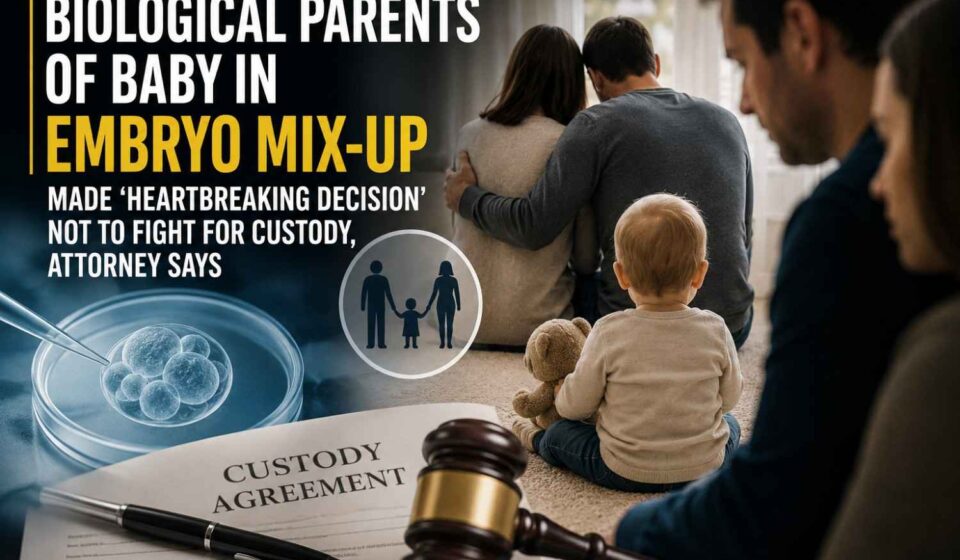
Biological Parents of Baby in Embryo Mix-Up Made ‘Heartbreaking Decision’ Not to Fight for Custody, Attorney Says

The biological parents of a baby at the center of a high-profile Florida fertility clinic error chose not to pursue a custody battle, making what their attorney described as a “heartbreaking decision” in a case that has drawn national attention.
The dispute stems from an IVF embryo mix-up that resulted in a woman giving birth to a child who was not genetically related to her or her partner. After months of uncertainty, genetic testing identified the child’s biological parents, leading to complex legal and emotional questions about custody and parental rights.
Rather than seeking a court fight, the biological parents agreed to a private arrangement that allows the birth parents, who carried and raised the child from birth, to retain permanent custodial rights. According to attorneys involved in the case, the decision was made with the child’s well-being as the primary consideration.
Biological Parents of Baby in Embryo Mix-Up Choose Settlement Over Court Battle
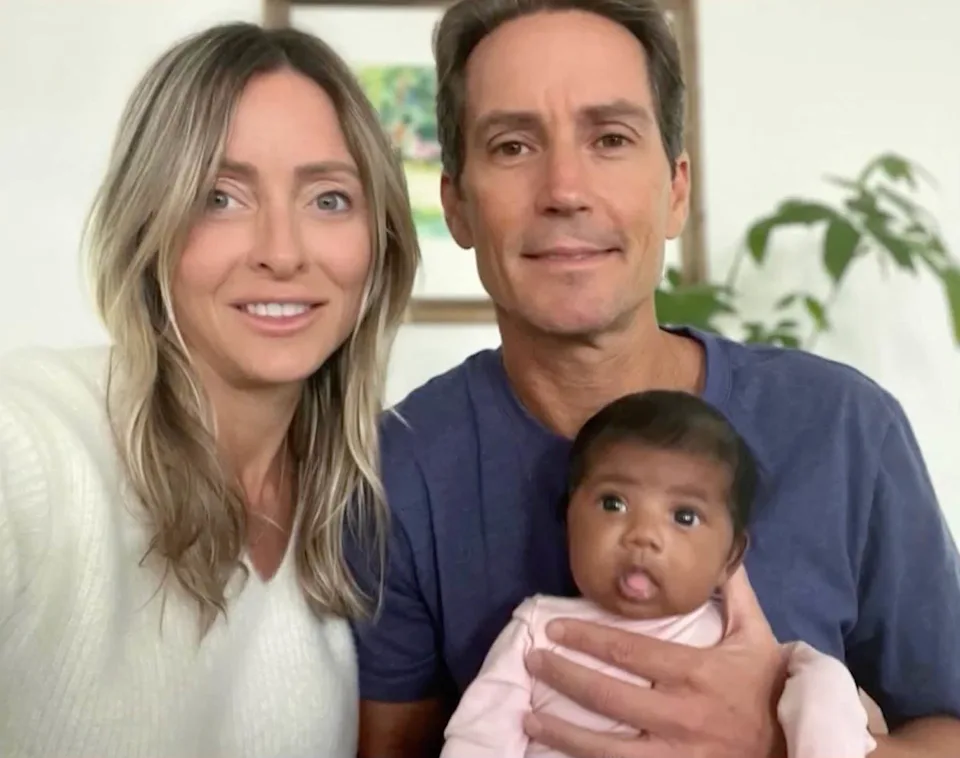
The case centers on Florida residents Tiffany Score and Steven Mills, who underwent in vitro fertilization at the Fertility Center of Orlando. After their daughter, Shea, was born, the couple became concerned when the child’s physical appearance differed significantly from their own.
Subsequent DNA testing confirmed that neither parent was genetically related to the child, revealing that an embryo belonging to another couple had been implanted during fertility treatment. The discovery prompted legal action against the clinic and efforts to identify the child’s biological parents.
Once the biological parents were located, both families faced a difficult legal and emotional situation. Attorney Rob Marcereau, representing the genetic parents, said his clients were devastated by the discovery and would have preferred to raise the child themselves. However, they ultimately decided not to challenge custody in court.
Legal experts note that U.S. family law often gives significant weight to the rights of birth parents, particularly when a child has already formed strong bonds with the family that has been raising them. This legal reality played an important role in shaping discussions between the families.
Key Details and Reactions
Court documents indicate that both families reached a confidential custody agreement that allows Score and Mills to remain the child’s permanent custodial parents. The arrangement reportedly includes efforts to maintain a respectful relationship between the families.
The birth parents have repeatedly stated that they love the child and consider themselves her parents despite the lack of a biological connection. At the same time, they have expressed sympathy for the biological parents, who unexpectedly learned that their genetic child had been born and was living with another family.
Attorneys for both sides have described the situation as emotionally devastating, emphasizing that all parties sought a resolution that would minimize disruption to the child’s life.
Background and Context
The case has renewed attention on the risks associated with fertility treatment errors, although such incidents remain relatively rare.
The Fertility Center of Orlando became the focus of multiple lawsuits after the embryo mix-up came to light. The clinic has since ceased operations, while legal proceedings related to the incident continue. Questions also remain about the fate of the birth parents’ own embryos, with at least one embryo reportedly still unaccounted for.
Cases involving embryo mix-ups often present unique legal challenges because courts must balance genetic relationships, birth parent rights, and the best interests of the child. Similar disputes in other countries have produced varying outcomes, highlighting the complexity of reproductive technology law.
What Happens Next?
Although the custody issue appears resolved, litigation related to the fertility clinic’s actions is expected to continue. The families are seeking accountability for the error and answers regarding the handling of embryos during treatment.
The case may also prompt renewed scrutiny of safeguards within fertility clinics and calls for stronger oversight of reproductive medicine practices. Industry experts have long argued that rigorous tracking procedures are essential to prevent rare but life-altering mistakes such as embryo mix-ups.
Conclusion
The decision by the biological parents of the baby in the embryo mix-up not to pursue a custody battle marks a significant turning point in one of the most emotionally complex fertility cases in recent years. While legal questions surrounding the clinic remain unresolved, both families have chosen a path aimed at providing stability for the child at the center of the dispute. Their agreement underscores the difficult human realities that can emerge when reproductive technology errors intersect with questions of parenthood, identity, and family.
- Joe Biden’s Cancer Has Spread Further, Hunter Biden Says
- Daylight Saving Time Explained: Why Clocks Change Every Year
- Trump Pushes for Daylight Saving Time as Clock Change Nears
- Spanish Enclave Ceuta Sees 60,000 Migrant Arrivals Within a Day
- FIFA Speeds Up 64-Team World Cup Plans Amid Gianni Infantino Sell-Off Proposal