
Trump Says Iran Ceasefire Has Ended, But Nuclear Deal Talks Will Continue

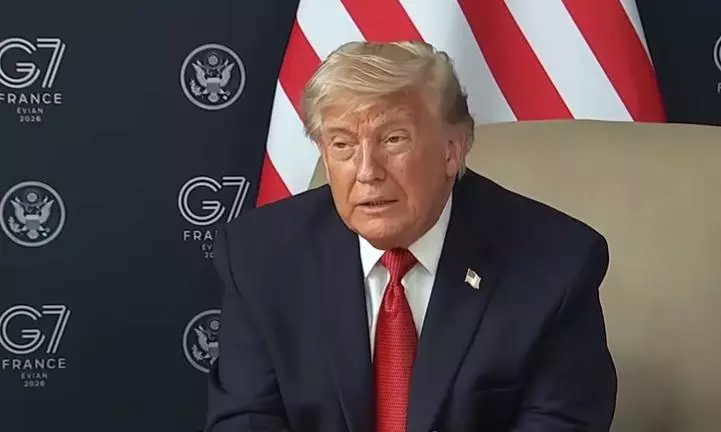
President Donald Trump said the Trump Iran Ceasefire is effectively over following renewed military exchanges between the United States and Iran. Despite declaring that the truce has collapsed, Trump indicated that diplomatic engagement has not been abandoned, confirming that technical-level discussions on a possible nuclear agreement will continue.
The announcement comes after days of escalating military activity that raised concerns about the stability of the ceasefire reached earlier this year. While tensions have intensified across the Middle East, U.S. officials maintain that diplomatic channels remain open in an effort to prevent a broader regional conflict.
Trump Iran Ceasefire Declared Over
Speaking about the deteriorating security situation, Trump said he believes the ceasefire has effectively come to an end following renewed exchanges between U.S. and Iranian forces. His remarks reflect growing frustration with Tehran after repeated violations and military actions that undermined the agreement intended to reduce hostilities.
Although Trump expressed skepticism about the value of continued negotiations, the administration has not formally withdrawn from diplomatic efforts. Officials confirmed that technical talks involving U.S. and Iranian representatives are still underway, focusing primarily on issues surrounding Iran’s nuclear program and broader regional security.
The White House has not announced a timeline for higher-level political meetings, but officials emphasized that maintaining communication remains important to reduce the risk of further escalation.
Key Details and Reactions on Trump Iran Ceasefire
The breakdown of the ceasefire follows renewed military operations and retaliatory strikes that have heightened concerns among regional allies and international observers. Diplomatic mediators, including Qatar and several other Middle Eastern countries, continue efforts to bring both sides back toward negotiations despite the renewed violence.
According to U.S. officials, no additional American strikes had been launched in the hours following Trump’s latest comments. Instead, attention has shifted toward ongoing technical discussions aimed at resolving key disputes related to Iran’s nuclear activities and maritime security in the Strait of Hormuz.
Financial markets have also reacted to the uncertainty, with energy traders closely monitoring developments due to concerns that prolonged instability could disrupt global oil supplies through one of the world’s busiest shipping routes.
International partners have urged both Washington and Tehran to avoid further escalation and preserve diplomatic channels, warning that additional military action could have wider consequences for regional stability.
Background and Context
The ceasefire emerged earlier this year after weeks of military confrontation between the United States and Iran. The agreement was intended to halt hostilities while allowing negotiators to pursue a broader framework addressing Iran’s nuclear program, sanctions, and regional security concerns.
Despite temporary progress, disagreements over implementation, security guarantees, and nuclear restrictions continued to strain relations. Multiple rounds of negotiations produced limited breakthroughs, while periodic military incidents repeatedly tested the durability of the truce.
Iran has consistently maintained that its nuclear activities are intended for peaceful purposes, while successive U.S. administrations have sought stronger safeguards to ensure Tehran cannot develop nuclear weapons. These differences remain at the center of ongoing negotiations.
Regional mediators have continued facilitating dialogue between both governments, recognizing that diplomacy remains the most practical path toward reducing tensions and preventing a wider conflict across the Middle East.
What Happens Next?
Although Trump stated that the ceasefire has effectively ended, the continuation of technical negotiations suggests that neither side has completely closed the door on diplomacy.
Negotiators are expected to continue discussing nuclear verification measures, sanctions, maritime security, and confidence-building steps that could eventually support a broader political agreement. However, the success of those talks will likely depend on whether both governments can prevent further military escalation.
Officials from the United States and several regional partners are expected to maintain diplomatic contacts in the coming days while monitoring developments on the ground. Any additional military exchanges could complicate negotiations, while successful technical discussions may provide a foundation for renewed political dialogue.
Conclusion
President Trump has declared the Trump Iran Ceasefire effectively over following renewed hostilities between Washington and Tehran. Nevertheless, the administration has signaled that diplomacy remains an option, with technical negotiations over Iran’s nuclear program continuing despite the collapse of the military truce. As regional tensions remain elevated, the outcome of these discussions could play a significant role in determining whether the two countries move toward renewed confrontation or a longer-term diplomatic settlement.
- Joe Biden’s Cancer Has Spread Further, Hunter Biden Says
- Daylight Saving Time Explained: Why Clocks Change Every Year
- Trump Pushes for Daylight Saving Time as Clock Change Nears
- Spanish Enclave Ceuta Sees 60,000 Migrant Arrivals Within a Day
- FIFA Speeds Up 64-Team World Cup Plans Amid Gianni Infantino Sell-Off Proposal