
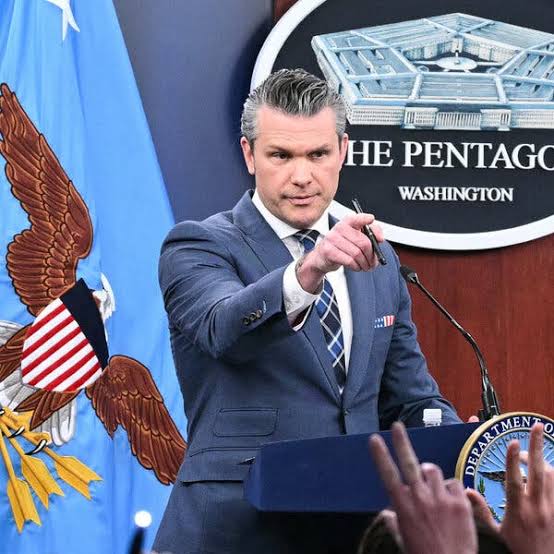
Pentagon Faces Cash Shortfall After Billions Spent on Iran Operations

The U.S. Department of Defense is facing mounting financial pressure after spending billions of dollars on military operations linked to the conflict involving Iran, raising concerns about the sustainability of current defense funding. Pentagon Iran war funding has become a growing issue as defense officials warn that existing budgets may not be sufficient to support ongoing missions while maintaining military readiness around the world.
The funding challenge comes at a time when the United States continues to manage multiple security commitments across Europe, the Indo-Pacific, and the Middle East. Defense officials have indicated that the pace of operational spending has accelerated, creating new demands on the Pentagon’s budget and prompting discussions with Congress over additional appropriations.
Main Development: Pentagon Iran War Funding Under Growing Pressure
Military operations connected to Iran have required significant expenditures on air defense systems, precision-guided munitions, naval deployments, logistics, intelligence support, and force protection across the Middle East. Officials say these costs have accumulated rapidly, leaving the Pentagon with fewer available resources than initially anticipated.
According to defense officials, the department has relied on existing operational accounts to finance immediate military requirements. However, those accounts were not designed to support prolonged high-intensity operations while simultaneously funding other global commitments.
As a result, Pentagon leaders have warned lawmakers that current appropriations could become insufficient if military activity continues at its present pace. The department is expected to seek additional funding from Congress to replenish depleted accounts and ensure that readiness levels are maintained.
Analysts note that modern military operations are increasingly expensive. Advanced missile defense systems, long-range precision weapons, surveillance assets, and naval deployments all require substantial financial resources, particularly when operations extend over several months.
Key Details and Reactions on Pentagon Iran War Funding
Senior defense officials have emphasized that protecting U.S. forces and regional allies remains the department’s highest priority despite growing financial pressures. They argue that operational decisions continue to be driven by national security considerations rather than budget constraints.
Members of Congress from both major political parties have acknowledged the importance of maintaining military readiness but differ on how additional funding should be provided. Some lawmakers support emergency supplemental appropriations to cover unexpected operational expenses, while others are calling for greater oversight of defense spending before approving additional funds.
Budget experts also point out that the Pentagon is already managing multiple expensive modernization programs, including investments in advanced aircraft, naval vessels, cybersecurity, space capabilities, and next-generation weapons systems. Additional costs associated with Middle East operations could complicate those long-term investment plans if supplemental funding is delayed.
Defense economists say prolonged military campaigns often create ripple effects across broader procurement programs. When operational expenses exceed expectations, departments may postpone equipment purchases, maintenance schedules, or infrastructure improvements to redirect resources toward immediate military needs.
Background and Context: Why Pentagon Iran War Funding Matters
The United States has maintained a significant military presence in the Middle East for decades to protect regional stability, secure maritime trade routes, combat extremist organizations, and deter hostile actions from state and non-state actors.
Tensions involving Iran have periodically increased following attacks on commercial shipping, regional military bases, and allied forces. In response, the Pentagon has deployed additional naval assets, air defense systems, fighter aircraft, and intelligence capabilities to strengthen deterrence and protect American personnel.
Historically, Congress has often approved supplemental defense funding during periods of heightened military activity. Emergency appropriations have been used to finance operations in Iraq, Afghanistan, and other conflict zones when existing annual defense budgets proved insufficient.
However, the current fiscal environment presents additional challenges. Rising national debt, competing domestic spending priorities, and broader budget negotiations have made lawmakers more cautious about approving large emergency spending packages.
Experts also note that inflation has increased the cost of military equipment, fuel, transportation, and logistics, further stretching defense resources compared with previous years.
What Happens Next for Pentagon Iran War Funding?
The Pentagon is expected to continue working closely with the White House and congressional leaders to secure additional funding if operational requirements remain elevated.
Congress will likely examine detailed spending reports before considering supplemental appropriations. Lawmakers may request updated estimates on operational costs, future military requirements, and the expected duration of deployments linked to regional security missions.
Defense planners will also evaluate whether adjustments can be made within existing budgets without affecting military readiness or delaying modernization programs. Nevertheless, officials have cautioned that prolonged funding uncertainty could eventually influence procurement schedules and training activities if additional resources are not approved.
International partners will also be monitoring developments closely, as U.S. military capabilities remain central to regional deterrence efforts and broader security cooperation in the Middle East.
Conclusion
The growing financial strain on the Pentagon highlights the significant costs associated with sustained military operations involving Iran. As billions of dollars are directed toward regional security missions, defense officials are warning that existing budgets are becoming increasingly stretched. The coming months will be critical as Congress weighs requests for additional funding while balancing broader fiscal priorities. The outcome of those discussions could shape both U.S. military readiness and future defense spending decisions amid continued geopolitical tensions.
- Joe Biden’s Cancer Has Spread Further, Hunter Biden Says
- Daylight Saving Time Explained: Why Clocks Change Every Year
- Trump Pushes for Daylight Saving Time as Clock Change Nears
- Spanish Enclave Ceuta Sees 60,000 Migrant Arrivals Within a Day
- FIFA Speeds Up 64-Team World Cup Plans Amid Gianni Infantino Sell-Off Proposal