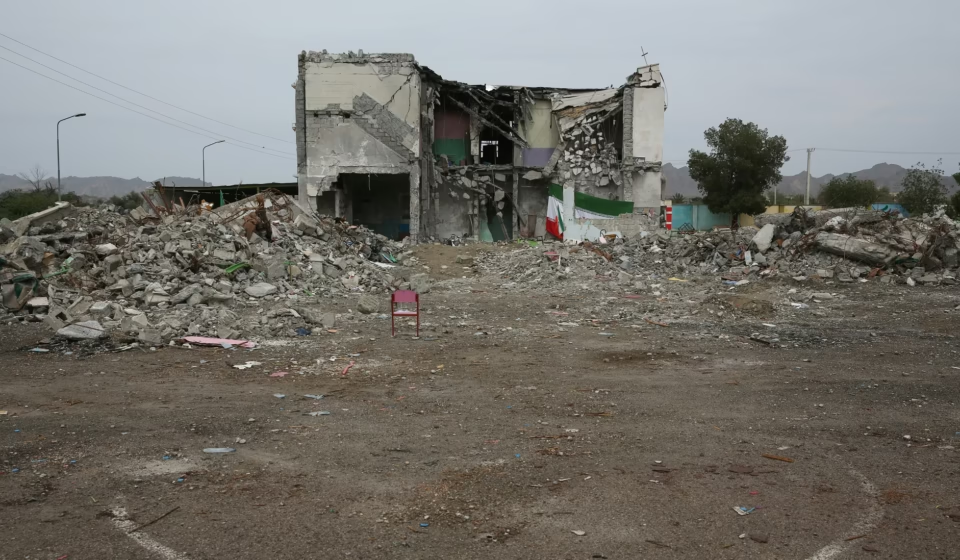

The Hegseth Iran Policy has come under renewed discussion after a tragic incident in Iran prompted fresh debate over the direction of U.S. defense strategy and Washington’s broader approach to the Middle East. While the exact circumstances surrounding the tragedy continue to be assessed, analysts and policymakers say the event may influence future security discussions inside the Pentagon.
The incident has also renewed attention on how the United States balances military preparedness, diplomatic engagement, and regional deterrence. As tensions remain high across the Middle East, officials are weighing whether current policies adequately address the rapidly evolving security landscape.
Main Development: Hegseth Iran Policy Under New Examination
The tragedy has intensified conversations about the Hegseth Iran Policy, particularly regarding how the United States should respond to instability in the region. Defense leaders continue to monitor developments while emphasizing the importance of protecting American personnel, allies, and strategic interests.
Although no immediate policy changes have been announced, foreign policy experts note that significant geopolitical events often lead to internal reviews of defense priorities. Such evaluations typically consider intelligence assessments, military readiness, regional partnerships, and diplomatic initiatives.
Supporters of maintaining a strong deterrence strategy argue that continued military preparedness remains essential in preventing further escalation. They contend that any perception of reduced American commitment could encourage additional regional instability.
Others believe the tragedy highlights the importance of strengthening diplomatic channels alongside military capabilities. They argue that sustained dialogue with international partners may help reduce tensions while preserving regional security.
For U.S. defense officials, balancing these competing priorities remains one of the central challenges in shaping long-term policy toward Iran.
Key Details and Reactions to the Hegseth Iran Policy Debate
The renewed discussion has generated reactions across the political and national security community.
Security analysts emphasize that major regional events often become catalysts for reassessing existing strategies rather than prompting immediate shifts. Any meaningful changes would likely involve extensive consultations among the Department of Defense, intelligence agencies, the White House, Congress, and key international allies.
Military experts also point to the broader strategic environment. Ongoing concerns include maritime security, protection of commercial shipping routes, missile threats, proxy groups operating throughout the region, and the safety of U.S. forces stationed overseas.
Several foreign policy observers caution against drawing conclusions before investigations into the tragedy are completed. They stress that policymakers require verified intelligence before making significant strategic decisions.
Meanwhile, diplomatic partners continue encouraging restraint while supporting efforts aimed at preventing additional escalation. International cooperation remains an important element of regional security planning, particularly given the interconnected nature of Middle Eastern conflicts.
Background and Context of the Hegseth Iran Policy
Understanding the current debate requires examining the broader history of U.S.-Iran relations.
Relations between Washington and Tehran have experienced decades of political tension, economic sanctions, military confrontations, and diplomatic negotiations. Successive U.S. administrations have pursued different approaches, ranging from increased economic pressure to diplomatic engagement and multilateral agreements.
Defense policy toward Iran has consistently focused on several priorities:
- Protecting U.S. military personnel.
- Supporting regional allies.
- Preventing the spread of advanced weapons.
- Safeguarding international shipping routes.
- Countering threats posed by armed proxy groups.
Pete Hegseth has generally advocated maintaining a strong national defense posture and emphasizing military readiness. Supporters argue that credible deterrence reduces the likelihood of aggression, while critics believe long-term regional stability also requires sustained diplomatic initiatives.
The latest tragedy has therefore reopened broader questions about whether existing policies strike the right balance between deterrence and diplomacy.
What Happens Next for Hegseth Iran Policy?
In the coming weeks, officials are expected to continue reviewing intelligence related to the incident while monitoring developments across the region.
Potential next steps could include updated security assessments, consultations with allies, adjustments to force protection measures, or renewed diplomatic engagement. However, any significant policy changes would likely depend on verified findings and broader strategic considerations rather than a single event.
Congress may also seek additional briefings from defense and intelligence officials regarding regional security and the implications of the tragedy. Such oversight is common following major international incidents with potential implications for U.S. national security.
At the same time, regional governments will continue evaluating their own security measures while coordinating with international partners to reduce the risk of further instability.
The evolving situation underscores the complexity of policymaking in the Middle East, where military, diplomatic, economic, and humanitarian considerations often intersect.
Conclusion
The tragedy in Iran has renewed attention on the Hegseth Iran Policy and the broader direction of U.S. strategy in the Middle East. Although no immediate changes have been announced, the incident has intensified discussion over how Washington should balance deterrence, diplomacy, and regional security.
As investigations continue and policymakers review the latest developments, future decisions will likely be guided by verified intelligence, consultations with allies, and evolving conditions across the region. The outcome of those deliberations could shape U.S. defense policy and regional engagement for months to come.