
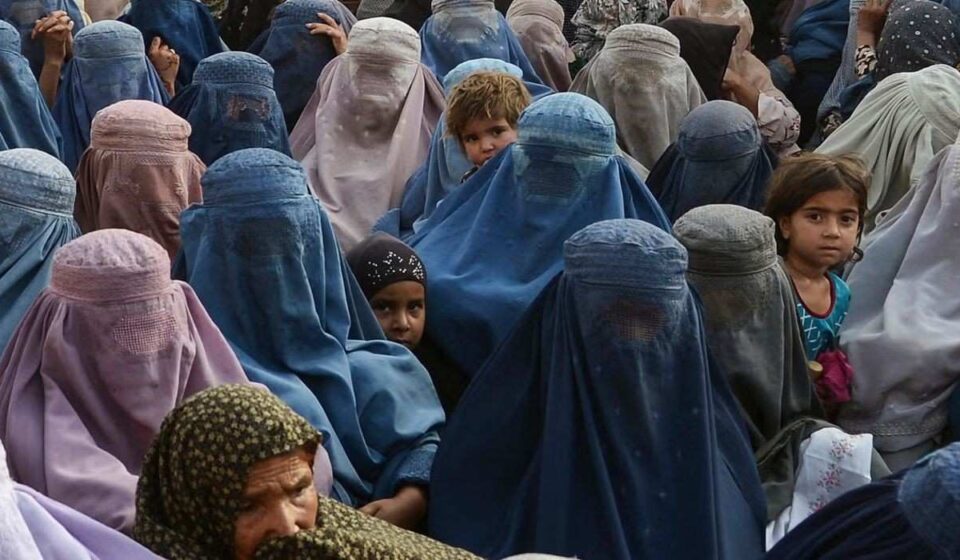

Afghanistan’s deepening humanitarian crisis is contributing to a growing number of Afghan girls child marriage cases, according to humanitarian organizations and rights advocates, who warn that worsening poverty and restrictions on women’s and girls’ rights are placing thousands of children at greater risk.
Families struggling to afford food, housing, and healthcare increasingly view early marriage as a survival strategy. Aid agencies say economic hardship, combined with limited educational opportunities for girls, has created conditions that make child marriage more common in parts of the country.
The trend has renewed international concern over the long-term consequences for girls’ health, education, and personal freedom, while highlighting the broader challenges facing Afghanistan under continued political and economic isolation.
Afghan Girls Child Marriage Linked to Economic Hardship
Humanitarian organizations report that many Afghan families are making difficult decisions as incomes decline and employment opportunities remain scarce.
In numerous communities, parents facing severe financial hardship have agreed to marry daughters at increasingly younger ages in exchange for a dowry or financial support. Rights groups stress that these arrangements are often driven by necessity rather than choice.
Some families have reportedly entered agreements years before a child reaches marriageable age. Under such arrangements, young girls may remain with their families until reaching a specified age before being sent to their future husband’s household.
Aid organizations warn that these practices expose girls to significant physical, psychological, and emotional risks. Medical experts have consistently linked child marriage to higher rates of pregnancy-related complications, interrupted education, domestic violence, and lifelong economic disadvantage.
The rise in Afghan girls child marriage is also closely connected to reduced educational opportunities. Since the Taliban returned to power in 2021, secondary and higher education for many girls has been severely restricted, limiting future prospects and increasing vulnerability.
Key Details and Reactions on Afghan Girls Child Marriage
International organizations including UNICEF, UN Women, and other humanitarian agencies have repeatedly warned that Afghanistan’s humanitarian emergency is having a disproportionate impact on women and girls.
Aid workers say families are confronting impossible choices after years of economic decline, reduced international assistance, rising unemployment, and repeated climate-related disasters affecting agriculture and livelihoods.
Human rights organizations have urged authorities to strengthen protections for children and to uphold international commitments aimed at preventing forced and child marriages.
The United Nations has consistently emphasized that education remains one of the strongest safeguards against child marriage. Keeping girls in school not only improves long-term economic opportunities but also reduces the likelihood of early marriage.
Several humanitarian agencies continue to provide emergency cash assistance, food support, healthcare, and protection services for vulnerable families. However, funding shortages have forced many aid programs to reduce operations, leaving millions of Afghans with limited access to essential assistance.
Rights advocates argue that expanding humanitarian aid and restoring educational access are critical steps toward reducing the pressure that drives vulnerable families into early marriage arrangements.
Background and Context Behind Afghan Girls Child Marriage
Child marriage existed in Afghanistan before the country’s recent political changes, particularly in rural areas where poverty, tradition, and conflict influenced family decisions.
However, humanitarian experts say the current crisis has intensified these long-standing challenges.
Following the Taliban’s return to power in August 2021, Afghanistan experienced major economic disruption after international financial assistance declined sharply and sanctions affected the country’s economy. Many households lost stable sources of income, while inflation increased the cost of basic necessities.
At the same time, restrictions on girls’ education and women’s employment reduced opportunities for female participation in public life. Human rights organizations argue that these restrictions have weakened many of the protections that previously helped delay marriage and improve educational outcomes.
According to UNICEF, child marriage remains one of the most significant barriers to girls’ rights worldwide, affecting health, education, and economic independence across generations.
Experts note that poverty alone does not explain child marriage, but when combined with conflict, displacement, and limited educational opportunities, the risks increase substantially.
What Happens Next for Afghan Girls Child Marriage?
Humanitarian agencies continue to call for increased international support to address Afghanistan’s growing humanitarian needs.
Aid organizations say additional funding is necessary to expand food assistance, healthcare services, child protection programs, and educational initiatives that can reduce pressures leading to child marriage.
International rights groups are also urging continued diplomatic engagement focused on restoring girls’ access to education and strengthening legal protections for children.
Observers believe the trajectory of Afghan girls child marriage will largely depend on improvements in economic conditions, humanitarian funding, and broader policy changes affecting women and girls.
Without greater international assistance and expanded opportunities for education and employment, experts warn that vulnerable families may continue to resort to early marriage as a coping mechanism despite its long-term consequences.
Conclusion
The reported rise in Afghan girls child marriage reflects the wider humanitarian crisis affecting Afghanistan. Economic hardship, restricted educational opportunities, and prolonged instability have combined to increase the vulnerability of many families and children.
Humanitarian organizations maintain that preventing child marriage requires sustained international support, stronger child protection measures, and renewed access to education for girls. As aid agencies continue to respond to urgent needs, the future of countless Afghan girls remains closely tied to broader efforts aimed at improving living conditions, protecting fundamental rights, and expanding opportunities across the country.
- Spanish Enclave Ceuta Sees 60,000 Migrant Arrivals Within a Day
- FIFA Speeds Up 64-Team World Cup Plans Amid Gianni Infantino Sell-Off Proposal
- Sainsbury’s Agrees to Sell Argos for £120m
- Tour de France Femmes 2026 Preview: Favourites, Stage Guide and Riders to Watch
- Millennials Say They’ll Refuse to Care for Aging Boomer Parents—but Financial Reality May Leave Them With Few Options