
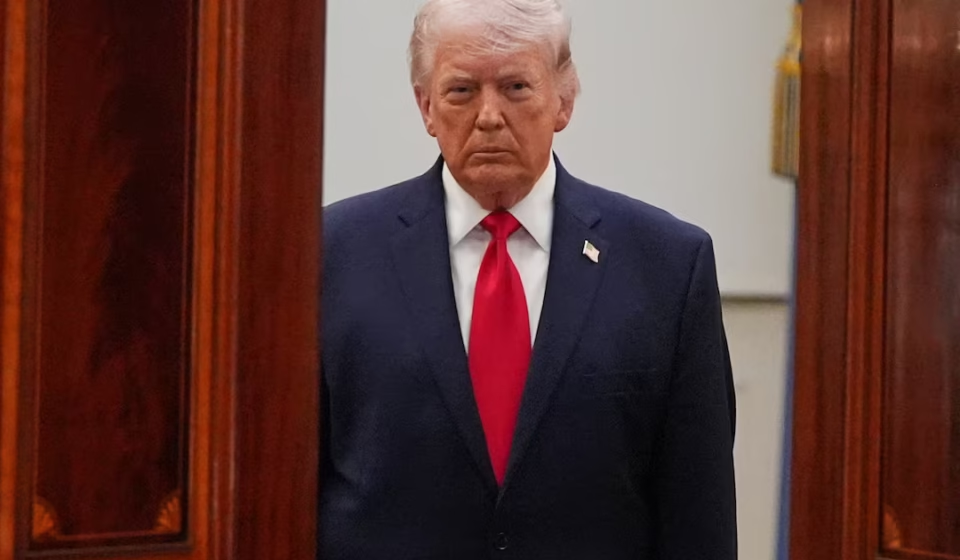
Oil Prices Surge More Than 7% After Trump Warns of Major U.S. Strike on Iran

Global oil prices surged by more than 7% after U.S. President Donald Trump warned that the United States could launch a major military strike against Iran if tensions continue to escalate. The remarks triggered renewed concerns over the stability of oil supplies from the Middle East, sending crude prices sharply higher in international trading.
The Oil Prices Surge reflects growing fears among investors that any military confrontation involving Iran could disrupt energy exports from one of the world’s most strategically important oil-producing regions. Traders also expressed concerns about the security of shipping routes, particularly through the Strait of Hormuz, a vital passage for global crude oil shipments.
Oil Prices Surge as Markets React to Iran Tensions
The latest Oil Prices Surge came as financial markets responded quickly to Trump’s comments regarding the possibility of stronger military action against Iran.
Brent crude and West Texas Intermediate (WTI) crude both recorded significant gains as traders priced in the increased geopolitical risk. Energy analysts noted that the sharp rally reflected uncertainty rather than confirmed supply disruptions, with investors moving to protect against the possibility of future shortages.
The Middle East accounts for a substantial share of the world’s crude oil production, making geopolitical developments in the region a major driver of global energy prices.
Key Details and Market Reactions
Following Trump’s warning, commodity markets experienced heightened volatility as investors evaluated the potential impact on oil production and transportation.
Analysts said several factors contributed to the market’s reaction, including:
- Concerns that military action could disrupt Iranian oil production.
- Fears of shipping interruptions through the Strait of Hormuz.
- Increased demand from investors seeking safe-haven assets.
- Speculation over possible retaliatory actions that could affect regional energy infrastructure.
Stock markets also showed mixed reactions as higher oil prices raised concerns about inflation and increased fuel costs for businesses and consumers.
Energy companies generally benefited from the price increase, while airline and transportation stocks faced pressure due to expectations of rising fuel expenses.
Background and Context
The Oil Prices Surge comes amid renewed geopolitical tensions between the United States and Iran, two countries that have experienced periods of confrontation over regional security, nuclear policy, and sanctions.
The Strait of Hormuz remains one of the world’s most critical maritime chokepoints, with roughly one-fifth of globally traded oil passing through the narrow waterway each day. Any threat to shipping in the region can have immediate consequences for global energy markets.
Historically, military tensions in the Middle East have often led to short-term spikes in crude oil prices as traders anticipate possible disruptions to production or transportation.
While Iran’s direct oil exports have been affected by international sanctions, the country’s strategic location means any conflict could still influence broader regional supply chains and shipping operations.
What Happens Next?
Investors will closely monitor diplomatic developments and official statements from both Washington and Tehran in the coming days.
Market participants will also watch for any military activity, changes in sanctions policy, or disruptions to commercial shipping routes that could further affect global oil supplies.
If tensions ease through diplomatic engagement, oil prices could stabilize. However, any escalation involving military operations or attacks on energy infrastructure could lead to continued volatility in crude oil markets.
Central banks and governments may also assess the economic implications of sustained higher energy prices, particularly if rising fuel costs begin contributing to broader inflationary pressures.
The Bottom Line
The latest Oil Prices Surge highlights how geopolitical tensions can quickly influence global financial and energy markets. Donald Trump’s warning of a potential major U.S. strike on Iran heightened investor concerns over the security of Middle Eastern oil supplies, pushing crude prices sharply higher. While no supply disruptions have been confirmed, markets are expected to remain sensitive to developments in the region as traders weigh the risks of further escalation.
- Joe Biden’s Cancer Has Spread Further, Hunter Biden Says
- Daylight Saving Time Explained: Why Clocks Change Every Year
- Trump Pushes for Daylight Saving Time as Clock Change Nears
- Spanish Enclave Ceuta Sees 60,000 Migrant Arrivals Within a Day
- FIFA Speeds Up 64-Team World Cup Plans Amid Gianni Infantino Sell-Off Proposal