

The Labour minister Union flags controversy has become the latest flashpoint in the wider debate over national identity, community relations, and the display of patriotic symbols in the United Kingdom.
The issue emerged after a Labour minister backed calls for Union flags that were described as “unsettling” to be removed from public spaces. The remarks have prompted criticism from political opponents, while supporters argue the discussion is about ensuring public spaces remain welcoming and free from intimidation rather than opposing the national flag itself.
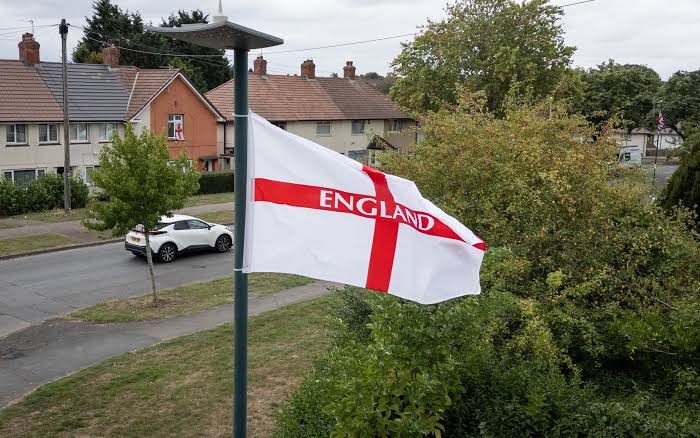
The debate comes amid broader tensions over the placement of unofficial flags on lamp posts and other public infrastructure in several English cities, where local authorities have faced pressure from campaign groups, residents, and politicians over how such displays should be managed.
Labour Minister Union Flags Debate Centers on Public Displays
At the heart of the controversy is whether unofficially erected Union flags should remain in public areas when some residents say they contribute to feelings of exclusion or intimidation.
Supporters of removing the displays argue that the issue is not the Union flag itself but the context in which certain groups have installed large numbers of flags without official permission. They contend that in some communities the displays have become associated with political messaging rather than simple expressions of patriotism.
Critics, however, say removing Union flags risks portraying national symbols as divisive. Conservative politicians and other opponents have argued that the Union flag represents the whole country and should not be treated as controversial. They accuse Labour figures of sending the wrong message about British identity.
Local councils have also pointed to practical concerns. Many of the flags have been attached to lamp posts and other public infrastructure without authorization, raising questions over safety, maintenance, and legal responsibility. Authorities in several areas have cited these issues when deciding whether to remove them.
Political Reactions to the Labour Minister Union Flags Comments
The comments have generated strong reactions across the political spectrum.
Labour representatives have generally stressed that the concern is directed at unauthorized displays that some residents perceive as intimidating, rather than the Union flag itself. They argue that national symbols should unite communities instead of becoming associated with political division.
Opposition politicians have rejected that explanation, arguing that the national flag should remain a symbol of shared identity regardless of where it is displayed. Some have accused Labour of being disconnected from public sentiment on issues of patriotism and national pride.
Community organizations have offered differing perspectives. Some anti-racism campaigners have supported stronger action against unauthorized flag campaigns, saying they have received complaints from residents who felt uncomfortable or intimidated by certain displays. Other residents insist the flags simply represent pride in the country and should not automatically be linked to political extremism.
Background and Context
Disputes over public displays of flags have become increasingly common in parts of England over the past two years.
Campaign groups have erected large numbers of Union flags and England flags on public infrastructure in several cities. While organizers describe the initiatives as patriotic, critics argue they can create tensions in diverse communities and may be perceived as exclusionary by some residents.
Several councils have adopted different approaches. Some authorities have removed unauthorized flags quickly, citing highway safety rules and the need to protect public property. Others have faced criticism for delays, with officials pointing to enforcement challenges, public safety concerns, and the risk of confrontation during removal operations.
The issue also reflects wider debates about national identity in modern Britain. Questions surrounding the use of national symbols, multiculturalism, immigration, and public space have increasingly become subjects of political discussion, particularly during election campaigns and major party conferences.
What Happens Next for the Labour Minister Union Flags Dispute?
Attention is now likely to remain on how local authorities respond to future complaints about unauthorized flag displays.
Councils may continue reviewing enforcement policies regarding objects attached to public infrastructure while balancing legal obligations, public safety, and community concerns. In some areas, authorities have already sought legal remedies to prevent unauthorized installations from recurring.
Politically, the controversy is expected to remain part of the broader conversation about national identity and community cohesion. Both government and opposition parties are likely to continue using the issue to reinforce their differing positions on patriotism, local governance, and public order.
Whether the debate leads to changes in local policy or remains primarily a political dispute will depend on future decisions by councils and any additional guidance issued regarding the display of unofficial flags in public places.
Conclusion
The Labour minister Union flags controversy has highlighted the complex balance between expressions of national pride and concerns about community cohesion. While supporters of removing certain displays argue the issue is about unauthorized installations and their impact on local residents, opponents maintain that the Union flag should remain an uncontroversial national symbol. As councils, politicians, and communities continue to debate the matter, the discussion is likely to remain a significant issue in UK public life.
- Joe Biden’s Cancer Has Spread Further, Hunter Biden Says
- Daylight Saving Time Explained: Why Clocks Change Every Year
- Trump Pushes for Daylight Saving Time as Clock Change Nears
- Spanish Enclave Ceuta Sees 60,000 Migrant Arrivals Within a Day
- FIFA Speeds Up 64-Team World Cup Plans Amid Gianni Infantino Sell-Off Proposal