
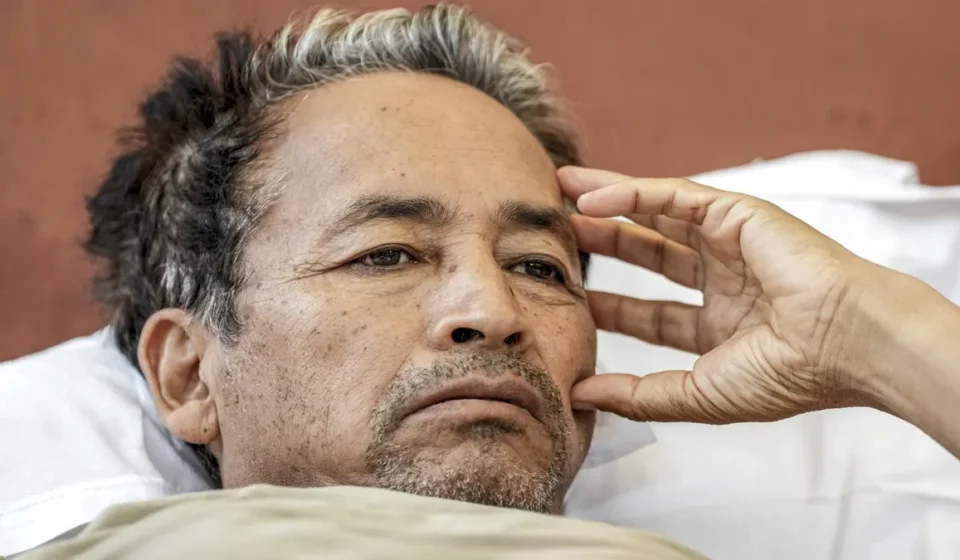
Sonam Wangchuk Hospitalised After 21-Day Hunger Strike; Doctors Say He Is Refusing IV Fluids and Medication

Climate activist and education reform advocate Sonam Wangchuk was admitted to Safdarjung Hospital in New Delhi on Saturday after completing 21 days of an indefinite Sonam Wangchuk Hunger Strike. Hospital officials said Wangchuk is refusing intravenous (IV) fluids, oral rehydration solution, and medication despite showing signs of dehydration and metabolic complications.
The hospitalisation came after concerns over his worsening health and followed directions from the Delhi High Court, which had ordered regular medical monitoring during his prolonged fast. Doctors said Wangchuk remains stable but requires continuous observation because of dehydration, low potassium levels, and rising ketone levels, which could increase the risk of kidney damage if the hunger strike continues.
Why Is Sonam Wangchuk Protesting?
The Sonam Wangchuk Hunger Strike began on June 28 at Delhi’s Jantar Mantar in support of a student-led movement demanding reforms in India’s examination system following high-profile examination paper leak controversies. Protesters have also called for greater accountability from the government and demanded the resignation of Union Education Minister Dharmendra Pradhan over the handling of the issue.
Wangchuk joined the indefinite fast in solidarity with students and youth activists, saying that restoring trust in the country’s education system requires transparent investigations, stronger safeguards against paper leaks, and meaningful reforms.
The protest has attracted widespread public attention, with students, civil society groups, and several opposition leaders expressing support for the movement.
What Happened on Saturday Morning?
Early Saturday morning, Delhi Police removed Wangchuk from the protest site at Jantar Mantar and shifted him to Safdarjung Hospital after doctors raised serious concerns about his deteriorating condition. Authorities said the move was taken following medical advice and court directions requiring that his health be protected as the fast entered its third week.
Videos from the protest site showed police escorting Wangchuk away while supporters protested the action. The removal drew criticism from several opposition leaders, who described it as an unnecessary intervention against a peaceful protest.
Wangchuk’s wife, Gitanjali J. Angmo, later said that he remained committed to the hunger strike despite being hospitalised. She also questioned the transparency of his medical treatment and sought access to his health reports.
Hospital Says Wangchuk Refuses Treatment
Safdarjung Hospital confirmed that Wangchuk was admitted at approximately 7:40 a.m. and remains under close medical supervision. Doctors said he is conscious and his vital signs remain stable, but he has refused IV fluids, oral rehydration solution, and other medications despite medical advice.
Medical professionals warned that prolonged fasting has resulted in dehydration and metabolic abnormalities that could threaten kidney function and overall health if treatment continues to be declined. Doctors are reportedly counselling both Wangchuk and his family to allow essential medical care.
Political Reactions and Protest Continues
The hospitalisation has triggered strong political reactions. Opposition leaders, including Rahul Gandhi, Mallikarjun Kharge, and several regional leaders, criticised the police action, arguing that Wangchuk should have been allowed to continue his peaceful protest while dialogue with the government took place. Veteran social activist Anna Hazare also urged the Centre to open discussions with Wangchuk instead of allowing the situation to worsen.
Meanwhile, organisers confirmed that the planned July 20 march to Parliament will proceed. Wangchuk’s wife said that if he is unable to participate because of his health, she will lead the march in his place. Another activist associated with the protest has also begun an indefinite hunger strike following Wangchuk’s removal from Jantar Mantar.
What Happens Next?
Doctors will continue monitoring Wangchuk’s condition while encouraging him to accept treatment. His health is expected to remain under close observation as long as he continues his hunger strike.
At the same time, protesters have reiterated that their demands remain unchanged and that demonstrations, including the proposed Parliament march, will continue. The coming days are likely to determine whether dialogue between the government and protest organisers resumes or whether the standoff intensifies further.
Conclusion
The Sonam Wangchuk Hunger Strike has entered a critical phase after the activist was hospitalised following 21 days without food. While doctors warn that his refusal to accept IV fluids and medication could pose serious health risks, Wangchuk remains committed to his protest calling for education reforms and greater government accountability. As his condition is closely monitored, attention is now turning to whether authorities will engage in talks with protesters before the planned march to Parliament.
- Joe Biden’s Cancer Has Spread Further, Hunter Biden Says
- Daylight Saving Time Explained: Why Clocks Change Every Year
- Trump Pushes for Daylight Saving Time as Clock Change Nears
- Spanish Enclave Ceuta Sees 60,000 Migrant Arrivals Within a Day
- FIFA Speeds Up 64-Team World Cup Plans Amid Gianni Infantino Sell-Off Proposal