
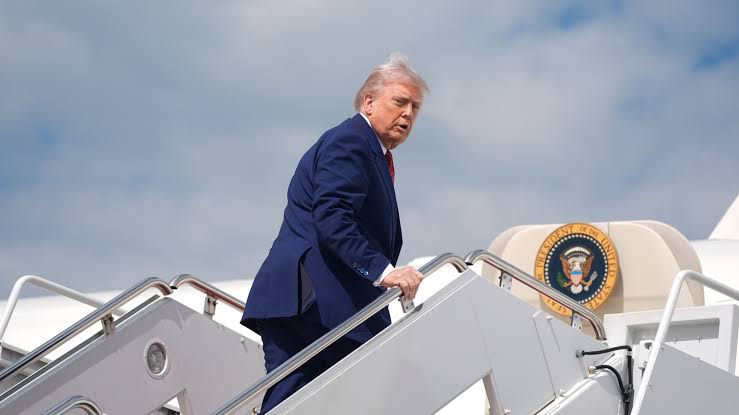

President Donald Trump returned to the United States aboard the traditional presidential aircraft, choosing the older Air Force One instead of the new Qatari aircraft that had been offered to the U.S. government. The decision came as tensions with Iran remained a major focus of U.S. foreign policy and security discussions.
The move to use the existing presidential aircraft rather than the newer Qatari plane attracted attention because of the ongoing debate surrounding the proposed transfer of the aircraft and concerns about national security, logistics, and presidential transportation protocols.
Trump Returns on Older Air Force One After Qatari Jet Debate
Trump Returns on Older Air Force One as the administration continued to evaluate options related to presidential travel and aircraft upgrades. The president’s decision followed discussions surrounding a Boeing 747 aircraft from Qatar that had been offered for use by the United States government.
The aircraft proposal had sparked political debate in Washington, with supporters arguing that it could provide a temporary solution while the replacement Air Force One aircraft program faces delays. Critics, however, raised questions about security considerations, foreign influence, and the process involved in accepting such a high-value asset from another country.
Instead of traveling on the Qatari aircraft, Trump used one of the existing modified Boeing 747 aircraft operated by the U.S. Air Force. The aircraft remains the official symbol of the U.S. presidency and is equipped with advanced communication systems and security features designed for presidential travel.
Key Details and Reactions Over Trump’s Aircraft Choice
The decision to return on the older aircraft came during a period of heightened attention on Iran-related developments. U.S. officials have continued monitoring regional security issues, including Iran’s military activities and broader tensions in the Middle East.
The White House has not indicated that the aircraft decision was directly linked to Iran concerns. However, presidential travel decisions often receive increased scrutiny during periods of international instability because the president’s aircraft serves as a secure command center capable of supporting government operations during emergencies.
The proposed Qatari aircraft had previously drawn mixed reactions from lawmakers and security experts. Some officials questioned whether accepting a foreign-provided aircraft could create challenges involving technology security, maintenance responsibilities, and long-term operational costs.
Supporters of the proposal argued that the aircraft could help address delays affecting the replacement program for the next generation of Air Force One aircraft. The current fleet has been in service for decades, and upgrades to replace the aging aircraft have faced production and delivery challenges.
Background and Context Behind the Air Force One Upgrade
Trump Returns on Older Air Force One during a period when the United States is already preparing for a major transition in presidential aviation. The current Air Force One fleet consists of modified Boeing 747 aircraft that have served multiple administrations.
The U.S. government has been working with Boeing on a replacement program known as the VC-25B project. The new aircraft are designed to include updated technology, improved efficiency, and modernized communication systems. However, the program has experienced delays, increasing pressure to find temporary solutions.
Qatar’s involvement added another layer to the discussion because aircraft used by the president require strict security standards. Any aircraft considered for presidential use must undergo extensive modifications and security reviews before it can operate in that role.
The debate also highlighted broader questions about U.S. reliance on foreign partnerships during major government projects. While international cooperation is common in defense and aviation industries, presidential aircraft decisions involve additional political and security considerations.
What Happens Next After Trump’s Air Force One Decision?
The future of the Qatari aircraft proposal and the replacement Air Force One program remains a subject of continued discussion. U.S. officials will likely continue reviewing the operational, security, and financial implications of any aircraft-related decisions.
Meanwhile, the existing Air Force One aircraft will continue serving as the primary presidential transportation option until replacement aircraft become available. The Biden and Trump administrations have both faced challenges connected to the delayed modernization effort.
As tensions involving Iran and other global security issues continue, the reliability and security of presidential transportation remain a key priority for U.S. officials. Any future changes to the presidential fleet will require careful evaluation by government agencies responsible for national security and aviation operations.
Conclusion
Trump Returns on Older Air Force One instead of using the Qatari aircraft offered to the United States, keeping the traditional presidential travel arrangement in place amid ongoing Iran-related tensions. The decision comes as officials continue debating the future of Air Force One modernization, security requirements, and the challenges surrounding the replacement aircraft program.
- Spanish Enclave Ceuta Sees 60,000 Migrant Arrivals Within a Day
- FIFA Speeds Up 64-Team World Cup Plans Amid Gianni Infantino Sell-Off Proposal
- Sainsbury’s Agrees to Sell Argos for £120m
- Tour de France Femmes 2026 Preview: Favourites, Stage Guide and Riders to Watch
- Millennials Say They’ll Refuse to Care for Aging Boomer Parents—but Financial Reality May Leave Them With Few Options